Material Handling Equipment: Driving Efficiency in Modern Industries
In today’s fast-paced industrial landscape, the ability to move, store, and manage materials efficiently can define the success of a business. At our organization, we understand the critical role of Material Handling Equipment (MHE) in optimizing operations, enhancing safety, and reducing costs. From small warehouses to large manufacturing plants, MHE is the backbone of modern industries. In this blog, we dive deep into what material handling equipment is, its types, technical aspects, benefits, features, future market trends, and practical applications.
What is Material Handling Equipment?
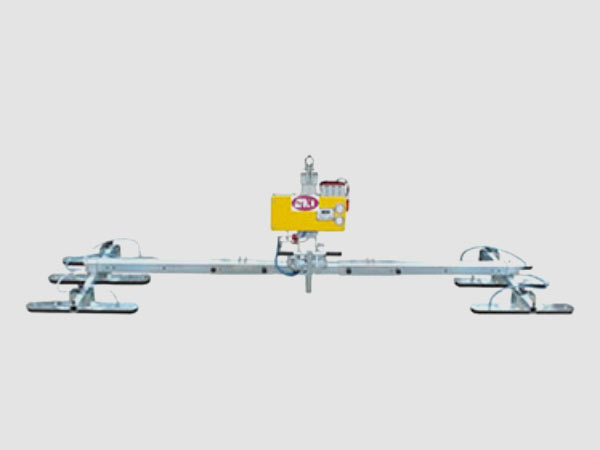
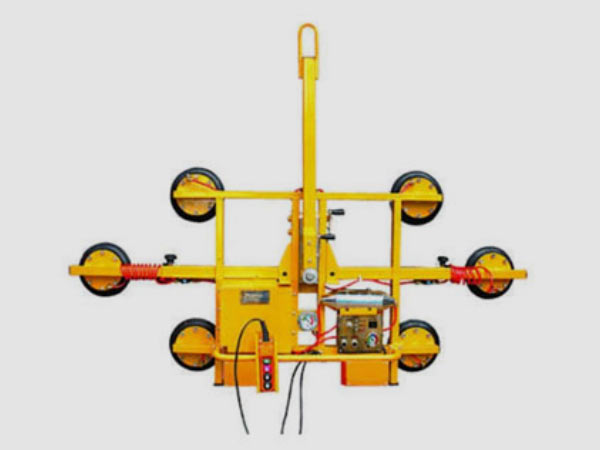
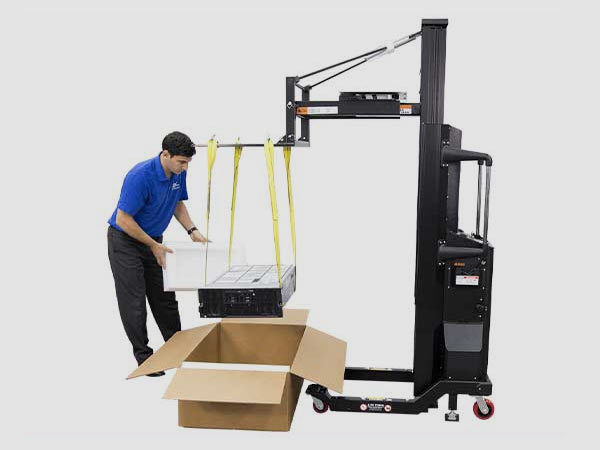
Material Handling Equipment refers to machinery, systems, and tools used to move, store, control, and protect materials throughout manufacturing, warehousing, distribution, and consumption processes. Essentially, MHE simplifies tasks that involve lifting, transporting, and storing raw materials or finished goods.
Our focus is on providing solutions that not only improve efficiency but also enhance workplace safety. With automation and smart handling systems becoming the norm, MHE has evolved from simple manual tools to sophisticated, technology-driven machinery.
Types of Material Handling Equipment
Material handling equipment can be broadly categorized based on the function they perform:
Transport Equipment
Transport equipment moves materials from one point to another within a facility. Examples include:
- Conveyor Systems: Automated belts for fast and efficient material movement.
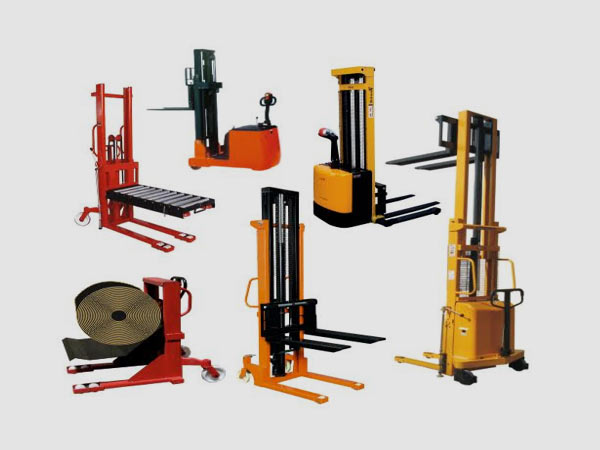
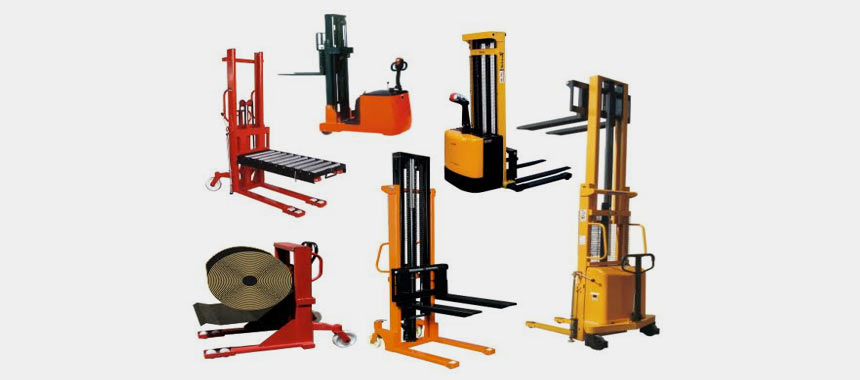
- Forklifts and Pallet Trucks: Ideal for moving pallets and heavy loads.
- Automated Guided Vehicles (AGVs): Robotic solutions for seamless, unmanned transport.
Storage Equipment
Storage equipment helps in organizing and storing materials safely and efficiently. Key examples:
- Racking Systems: Maximize vertical space and ease access.
- Shelving Units: Suitable for small components or packaged goods.
- Automated Storage & Retrieval Systems (AS/RS): Intelligent systems that reduce manual handling.
Unit Load Formation Equipment
These tools prepare materials for efficient storage or transport:
- Palletizers and Depalletizers: Automate stacking and unstacking of goods.
- Bagging Machines: Ideal for bulk products.
Identification and Tracking Equipment
Tracking and identification tools ensure accurate inventory and operational efficiency:
- Barcode Scanners and RFID Systems: Help in real-time monitoring.
With a wide range of MHE options, we help businesses select the right solutions based on their specific requirements.
Technical Aspects of Material Handling Equipment
Material handling equipment combines mechanical design, electronics, and automation to deliver efficient solutions. Some key technical aspects include:
- Load Capacity: The maximum weight the equipment can safely handle.
- Automation Level: From manual systems to fully automated machinery.
- Durability: Construction material and design ensure long service life.
- Ergonomics: Equipment designed to reduce operator fatigue and increase productivity.
- Energy Efficiency: Modern systems minimize power consumption while maximizing output.
Our equipment is engineered to meet stringent industrial standards, ensuring reliable performance and minimal downtime.
Benefits of Material Handling Equipment
Investing in the right MHE can transform business operations. Key benefits include:
- Enhanced Productivity: Efficient material movement reduces delays in production and delivery.
- Improved Safety: Reduces workplace injuries caused by manual handling of heavy materials.
- Cost Reduction: Automation and optimized workflows lower labor and operational costs.
- Inventory Accuracy: Advanced tracking systems minimize errors and streamline supply chain management.
- Scalability: MHE systems can be adapted to growing operational needs.
Features of Material Handling Equipment
Modern MHE comes with features that blend technology and user-centric design:
- Automation and Robotics: Minimizes manual labor and increases efficiency.
- Real-time Monitoring: IoT-enabled equipment allows real-time tracking of materials.
- Modular Design: Adaptable systems for different facility layouts.
- Energy-efficient Operation: Reduces operational costs while being eco-friendly.
- Safety Mechanisms: Sensors, alarms, and fail-safes ensure safe operations.
Future Market of Material Handling Equipment
The material handling industry is poised for substantial growth, driven by increasing automation and e-commerce expansion. Key trends shaping the future include:
- Automation and AI Integration: Smart equipment capable of predictive maintenance and autonomous operations.
- Sustainability Focus: Energy-efficient and eco-friendly machinery.
- IoT and Data Analytics: Optimizing workflows through real-time analytics.
- Warehouse Robotics: Growing adoption in logistics and fulfillment centers.
According to recent market reports, the global material handling equipment market is expected to witness significant growth over the next decade, fueled by the demand for faster, safer, and more efficient supply chain solutions. We continue to innovate, offering solutions that align with these future-ready trends.
Applications of Material Handling Equipment
MHE finds applications across a wide spectrum of industries:
- Manufacturing: Transport raw materials and finished goods efficiently within plants.
- Warehousing and Distribution: Streamline storage and retrieval operations.
- Construction: Move heavy construction materials safely and efficiently.
- Food and Beverage Industry: Handle bulk products, packaging, and storage with precision.
- E-commerce and Retail: Optimize order fulfillment and logistics operations.
Every industry has unique material handling needs, and we design solutions tailored to meet these specific challenges, ensuring maximum efficiency and minimal downtime.
Material Handling Equipment is no longer just about moving goods—it is about building smarter, safer, and more efficient operational workflows. From forklifts to fully automated systems, the right equipment can transform productivity, enhance safety, and future-proof businesses.
With a focus on innovation, reliability, and customer-centric solutions, Shree Krishna Industries aim to redefine the standards of material handling. Investing in the right material handling equipment today is investing in the future of industrial efficiency.