Vacuum Lifter: Transforming Material Handling Efficiency
In the rapidly evolving industrial landscape, lifting and handling heavy materials efficiently, safely, and with precision has become a critical challenge. Shree Krishna Industries has pioneered solutions that address this need, and among the most innovative tools available today is the vacuum lifter. Designed to simplify material handling processes while ensuring safety and productivity, vacuum lifters are redefining how industries move heavy loads.
What is a Vacuum Lifter?
A vacuum lifter is an industrial device that utilizes suction technology to lift, hold, and transport materials with minimal human effort. Unlike traditional lifting equipment such as cranes or forklifts, which rely on mechanical clamps or hooks, vacuum lifter use vacuum suction to create a secure grip on the load. This ensures stability, reduces the risk of damage to the material, and significantly lowers workplace injuries associated with manual lifting.
Vacuum lifters can handle a wide range of materials—from fragile glass panels to heavy metal sheets—making them versatile and essential in modern manufacturing, construction, and warehousing operations. They are especially useful for materials that are large, flat, or awkwardly shaped, which can be difficult or unsafe to move manually.
Technical Aspects of Vacuum Lifters
The performance and reliability of a vacuum lifter depend on its technical components and engineering. Key aspects include:
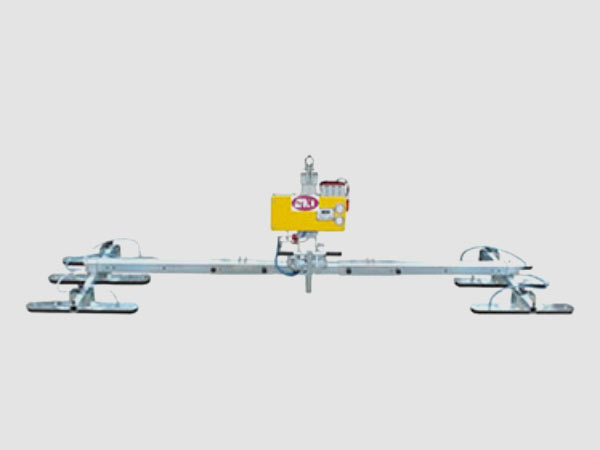
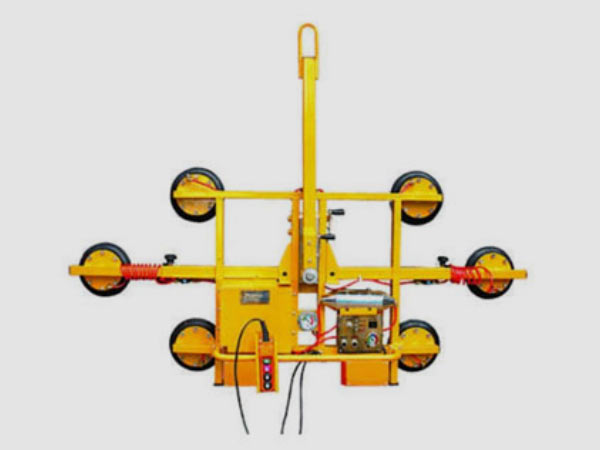
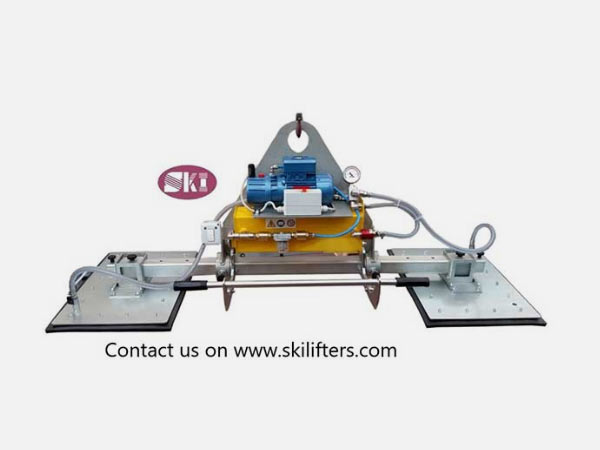
- Vacuum Pump or Generator: The heart of the system, it creates the suction force necessary to lift loads. Pumps can be electric, pneumatic, or hydraulic, depending on operational requirements.
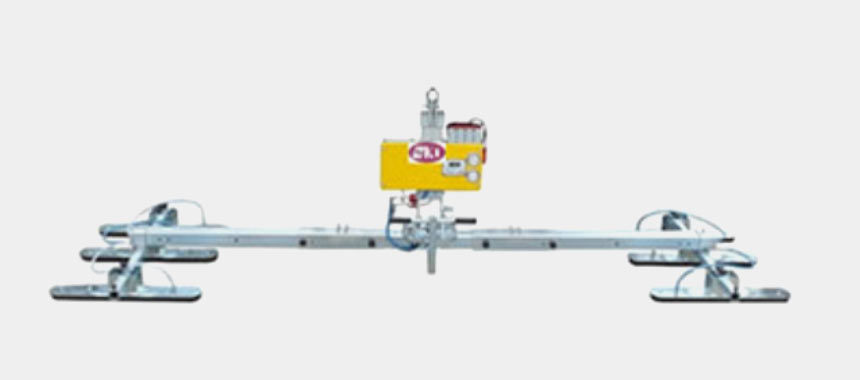
- Suction Pads: Typically made of durable rubber or silicone, these pads provide a firm grip on the surface while minimizing the risk of scratches or damage. Pads can be flexible to accommodate irregular surfaces.
- Load Frame: The structural framework supports the entire lifting system and is designed for maximum strength while remaining lightweight for ease of movement.
- Control System: Modern vacuum lifters often feature ergonomic control panels or remote-operated systems, offering precision handling and operator comfort.
- Safety Mechanisms: Indicators, sensors, and emergency release systems prevent accidents by alerting operators to insufficient suction or system malfunctions.
A well-engineered vacuum lifter ensures not just efficiency but also operational safety, reliability, and minimal maintenance requirements.
Benefits of Using a Vacuum Lifter
Adopting vacuum lifting technology provides a host of operational and organizational advantages:
- Improved Safety: Reduces manual handling, minimizing the risk of workplace injuries, strains, and accidents.
- Increased Productivity: Lifts and moves materials quickly, reducing downtime and enhancing workflow efficiency.
- Versatility: Capable of handling diverse materials, including glass, metal, stone, wood, and composites.
- Precision and Stability: Offers controlled and stable movement, reducing material damage during handling.
- Labor Optimization: Allows fewer personnel to handle heavier loads, freeing staff for other critical tasks.
- Cost Efficiency: Lowers operational costs by decreasing the need for multiple handling systems or excessive labor.
- Environmental Benefits: Reduces material wastage caused by mishandling and lowers energy consumption compared to conventional lifting machinery.
Features That Set Vacuum Lifters Apart
Modern vacuum lifters come with features designed to enhance efficiency, usability, and safety:
- Adjustable Suction Pads: Easily adapted to lift different sizes and shapes of materials.
- Lightweight yet Durable Frame: Ensures easy maneuverability without compromising strength.
- Energy-Efficient Operation: Optimized to deliver maximum suction with minimal power consumption.
- Intuitive Controls: Simplifies operation, reduces training time, and increases operator confidence.
- Customizable Configurations: Tailored solutions to meet specific industry requirements or unique lifting challenges.
- Integrated Safety Systems: Advanced sensors, vacuum indicators, and emergency release mechanisms provide additional security during operations.
These features make vacuum lifters highly adaptable and future-ready, catering to the needs of modern industries with a focus on operational excellence.
Applications Across Industries
The versatility of vacuum lifters allows them to be applied in a wide array of industrial sectors:
- Glass Industry: For handling large glass panels safely, reducing breakage and ensuring precision installation.
- Metal Fabrication: For lifting steel sheets, aluminum plates, and other heavy metals with accuracy.
- Construction: Moving stone slabs, concrete panels, or large timber boards efficiently on-site.
- Manufacturing: Positioning delicate or bulky components during assembly processes with minimal risk of damage.
- Warehousing and Logistics: Loading, unloading, and repositioning materials with ease, improving workflow speed.
- Automotive Industry: Precise handling of car body panels, windshields, and other large automotive components.
The adaptability across applications underscores the value of vacuum lifters as a crucial investment for businesses looking to modernize their material handling processes.
The Future Market for Vacuum Lifters
The global demand for vacuum lifters is on the rise, fueled by increased automation, workplace safety regulations, and the need for high-volume manufacturing solutions. Industries are progressively shifting toward automated and semi-automated material handling systems, and vacuum lifters are central to this transformation.
Future developments are likely to focus on smart and connected vacuum lifters, integrating IoT sensors, predictive maintenance, and automated operation. These advancements will not only improve safety and efficiency but also allow for real-time monitoring, performance analytics, and remote diagnostics—making lifting operations more intelligent and sustainable.
With industries emphasizing ergonomics, precision, and sustainability, vacuum lifters will continue to evolve as an essential tool for modern manufacturing and logistics operations.
Vacuum lifters are redefining industrial material handling by combining safety, precision, and efficiency. From lifting fragile glass panels to heavy metal sheets, they enable businesses to optimize workflows, reduce labor dependency, and maintain high standards of operational safety. By adopting this technology, industries can streamline processes and embrace a future where material handling is faster, safer, and more reliable.
Shree Krishna Industries remains committed to advancing this technology, delivering vacuum lifters that meet the highest standards of quality, efficiency, and innovation, ensuring businesses are equipped for the demands of modern industry.